 Youssef Elkhamri
Other: UAV
The goal of this project was to design and build a UAV that would operate in a marine environment.
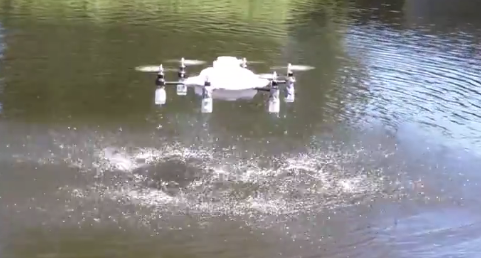
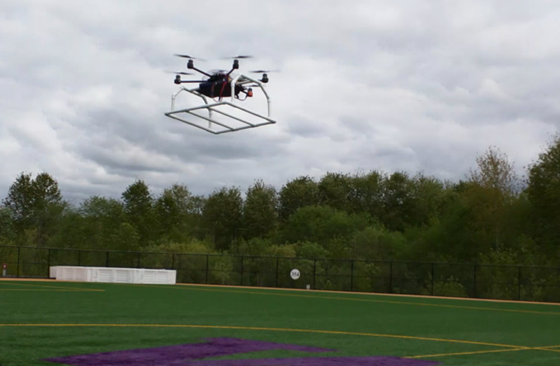
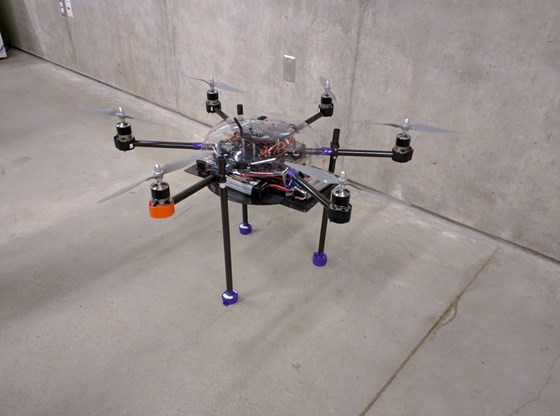
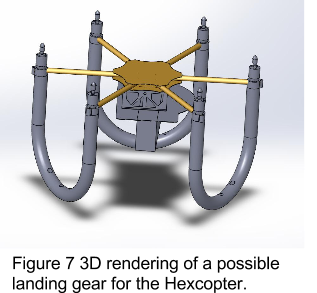
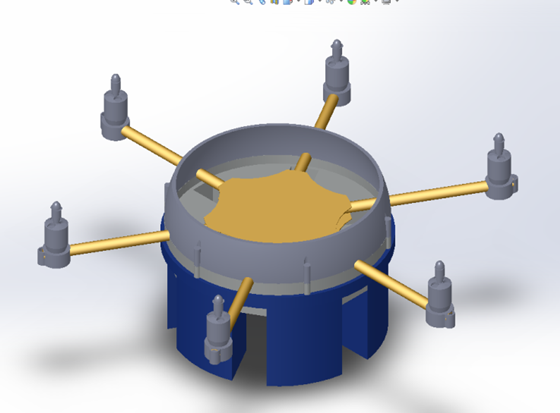
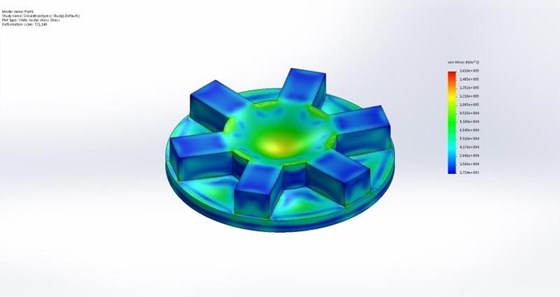
that will survive in marine expeditions for months at a time. The expedition will consist of the UAV and an unmanned boat. Our capstone project is the initiation of the ongoing research at University of Washington Bothell in collaboration with the Seattle Applied Physics Lab (APL). So far we were able to deliver a design that showed good stability during the conducted test flights. In addition, our designed UAV have an overall maximum payload of 54lb, but we advise the user to keep the payload at no more than 30lb. furthermore we have multiple designs for the floatation mechanism but we have only tested one so fare. The built UAV weighs 17lb, and the test we conducted on the floatation device proved that it has enough buoyancy to safely float a 20lb weight.
Comments: 0
There are no comments yet, be the first to write a comment!